A few periodic maintenance tasks can help keep your garage door in great shape for years, and one of the most notable examples here is lubrication. What should you be thinking about when it comes to how to lubricate a garage door properly and effectively?
At Crawford Door Sales, we’re here to offer a wide range of garage door installation, garage door repair and related garage door services to clients around Sandy, Murray and nearby parts of Utah. We regularly offer basic expertise to clients on important garage door maintenance concepts, lubrication included. Here are some tips on how to lubricate a garage door, from proper product selection to several practical bits of advice.
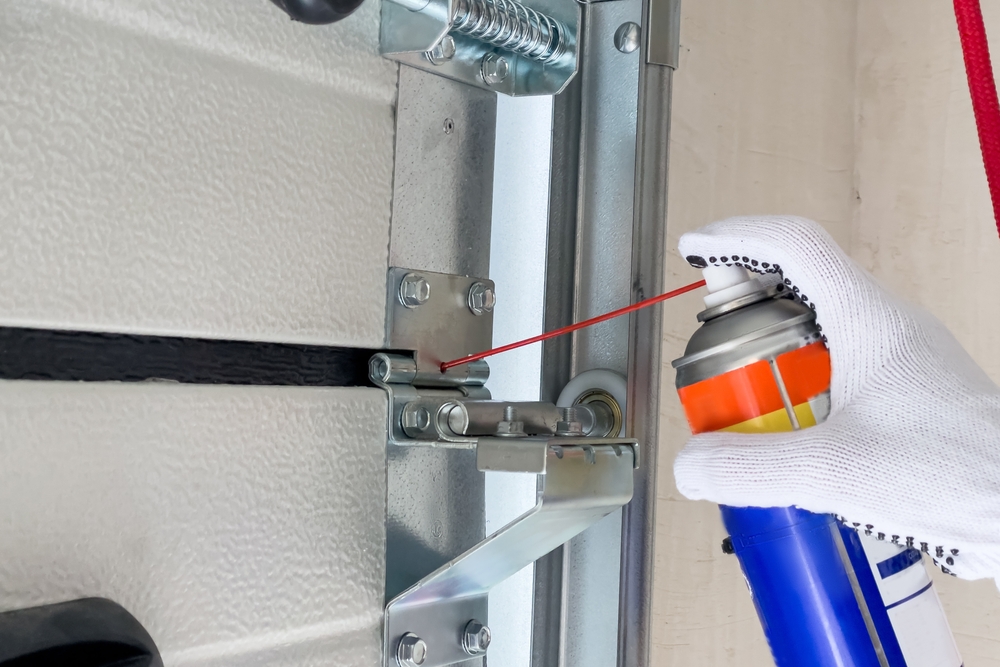
Choosing the Right Lubricant
One of the most important elements of lubricating a garage door actually comes well before the application process: Choosing the right lubricant for your specific door. There are a variety of lubricants available on the market, each with its own unique properties and uses.
Firstly, a warning on a product to avoid: WD-40. While it’s true that this product is used as a household lubricant, it’s not suitable for use on garage doors. WD-40 is a degreaser, meaning it will strip away any existing lubricants and leave the metal parts exposed to friction.
Instead, look for a silicone or lithium-based lubricant specifically designed for garage doors. These lubricants are designed to withstand extreme temperatures and provide long-lasting protection against rust and corrosion.
Safety First
Before you begin any part of the actual lubrication process, it’s important to ensure some basic safety. Firstly, before you begin interacting with various garage door components (some of which are heavy and potentially dangerous), be sure to disconnect the power to your garage door opener. This can usually be done by unplugging it from its power source or by turning off the circuit breaker that powers it.
Also be sure you have proper protective gear, namely gloves and eye protection. Garage door lubrication involves working with grease and oil which can be messy and potentially hazardous if it comes into contact with your skin or eyes.
Pre-Lubrication Cleaning
Because lubrication of a garage door will not be as effective if the door is dirty, it’s important to clean your garage door before applying any lubricant. Begin by using a gentle cleaner and warm water to wash away any built-up dirt, debris, or residue from previous lubrication. Be sure to dry the door completely before moving on to the next step.
If there are any stubborn or hard-to-reach areas, you can use a soft-bristled brush to scrub away any grime. Pay close attention to the tracks and rollers of your garage door, as these are the areas that will benefit most from lubrication.
How to Lubricate a Garage Door (By Focus Area)
There are a few key focus areas to hone in on when lubricating a garage door. Here are some top examples, plus tips on how to approach them:
- Rollers: These are the small wheels that help your garage door move up and down. When lubricating rollers, use a silicone-based spray or oil to coat them evenly. Move the door up and down a few times to ensure even coverage.
- Hinges: These connect the panels of your garage door together and allow for smooth movement when opening and closing. Apply lubricant directly onto each hinge, making sure to get it into the crevices for maximum effectiveness.
- Springs: The springs are responsible for counterbalancing the weight of your garage door, so they need extra care when it comes to lubrication. Use a spray or oil specifically designed for metal surfaces, and apply sparingly to avoid buildup.
- Tracks: Over time, debris can build up in the tracks of your garage door, causing it to become misaligned and potentially damaging the rollers. Use a damp cloth to clean any dirt or grime from the tracks and then apply a silicone-based lubricant.
Importance of Avoiding Over-Application
While it can be tempting to use a generous amount of lubricant on your garage door components, it is important to avoid over-application. Too much lubricant can lead to buildup of lubricant in undesirable areas, or to dripping onto the garage floor, which can create a slippery and potentially hazardous surface. Additionally, over-lubricating can cause parts to become too slick, leading to potential safety hazards or even damage to the components themselves.
As you can see, the process of lubricating your garage door is relatively straightforward if you know what to do. For any assistance with this or other garage door services around Sandy, Murray and nearby areas, contact our team at Crawford Door Sales today!