If you’re looking into your options for a commercial garage door, one of the top potential selections in many situations will be a coiling door. There are a few different coiling door materials out there to assist with general door durability and important related factors like corrosion resistance – which are these, and which is right for your particular needs?
At Crawford Door Sales, we’re proud to offer the best selection of commercial garage doors around Sandy, Murray, Ogden, and nearby areas of Utah, including coiling and rolling doors for any need. Here are the top coiling materials available on the market today when it comes to durability and corrosion resistance, plus some basics on each one and some tips on how to choose the ideal material for your coiling garage door.
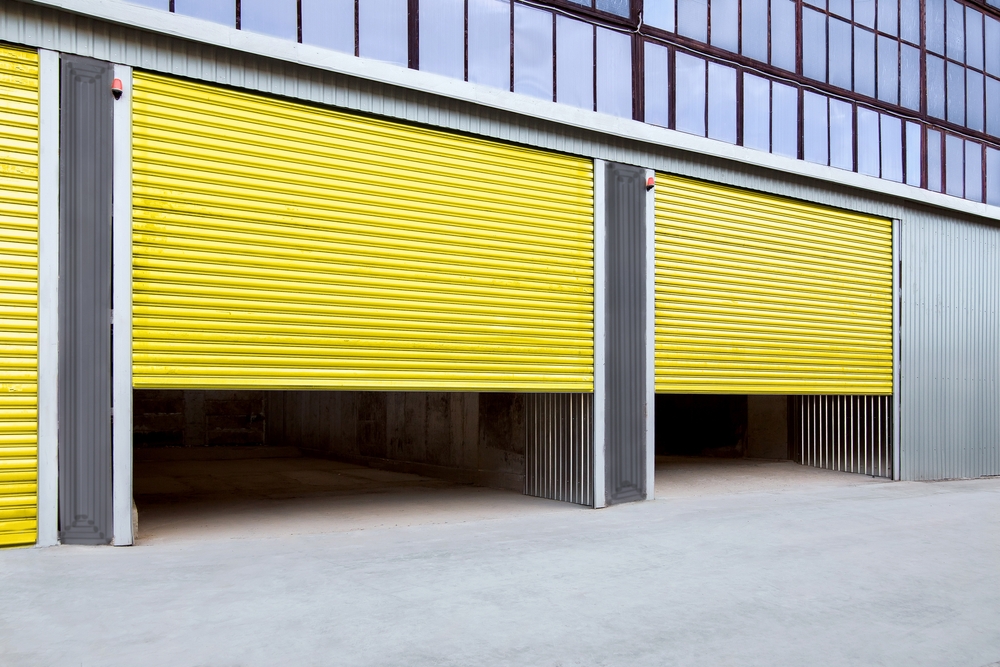
Galvanized Steel
A couple of forms of steel are often used in the manufacturing of garage doors: galvanized steel and stainless steel. Both are popular choices for coiling garage doors due to their strength, durability, and resistance to corrosion.
Galvanized steel is created by covering regular steel with a layer of zinc through a process called “galvanization”. This protects the underlying steel from rust and other forms of corrosion. Galvanized steel is also relatively affordable compared to other materials, making it a common choice for budget-friendly commercial garage doors.
Galvanized steel has common applications like fences, roofs, and gutters. However, it is also commonly used in garage doors due to its high strength and ability to withstand harsh weather conditions. It is also easy to maintain and can last for many years with proper care.
Stainless Steel
On the flip side of the steel conversation, we have stainless steel, which is known for its resistance to corrosion and rust. This makes it an ideal material for commercial coiling garage doors, especially in areas with high levels of moisture or salt exposure.
Stainless steel is known for its longevity in harsh environments, making it perfect for coiling garage doors that are constantly exposed to the elements. It is also highly durable and can withstand heavy use, making it a popular choice for commercial settings.
In addition to its practical benefits, stainless steel also has a sleek and modern appearance, adding a touch of sophistication to any building. Its versatility allows for various design options, including different finishes such as brushed or polished.
Aluminum & Alloy Options
If you’re looking for lightweight and corrosion-resistant material for your coiling garage door, aluminum and its alloys are excellent choices. Aluminum is much lighter than steel, making it easier to handle during installation. It also has a high strength-to-weight ratio, providing structural integrity while still being lightweight.
There are different grades of aluminum available, each with its unique properties and characteristics. The most commonly used grade for garage doors is 5052-H32, which offers good corrosion resistance and moderate strength. Other grades, such as 6061-T6 or 3003-H14, may also be suitable depending on the specific needs of your project.
Protective Coatings
No matter which material you choose for your coiling garage door, when it comes to durability and corrosion resistance, protective coatings play a vital role. These coatings can help prevent rust, corrosion, and other forms of degradation that may occur over time due to exposure to elements such as rain, snow, and salt.
Some common types of protective coatings used for coiling garage doors include:
- Powder coating: This method involves spraying powdered paint onto the surface of the door and then baking it in an oven to create a durable, protective layer. Powder coatings are known for their ability to resist chipping, scratching, and fading.
- Paint finishes: Traditional paint finishes, such as acrylic or enamel, can also be used to protect garage doors. These coatings provide a decorative finish while also protecting against rust and other forms of damage.
- Galvanization: This process involves coating the door with a layer of zinc to prevent corrosion. Galvanized steel is commonly used for garage doors in coastal areas where salt exposure is common.
- Other anti-corrosion treatments: Other options for preventing corrosion on garage doors include anodizing, which creates a protective layer of aluminum oxide on the surface of the door, and a few other sub-categories.
As you can see, there are a few key considerations when it comes to choosing the ideal coiling door materials for your durability and corrosion resistance needs. To learn more here, or for help with any kind of commercial garage door selection or protection needed around Sandy, Murray, Ogden, or nearby areas of northern Utah, contact our team at Crawford Door Sales today!